Reviews and practice for fifth grade. Each page explains one method or one topic, works through examples, and ends with questions you can check yourself. Nothing is scored and nothing is recorded.
Mathematics
 Fifth grade · Mathematics
Area
Area counts how many unit squares cover a surface. Every area formula later on is a shortcut for that...
 Fifth grade · Mathematics
Estimating multiplication
Three ways to estimate a product, and a way to know before you calculate whether your estimate is too...
 Fifth grade · Mathematics
Fractions, decimals and percents
Three ways of writing the same quantity. Once the conversions in both directions are automatic, a lot...
 Fifth grade · Mathematics
Magnitude estimates
Not what the answer is, but how big it is. A magnitude estimate is the cheapest way to catch an answer...
 Fifth grade · Mathematics
Mental division
Three habits that make division doable without paper: split the dividend, halve twice instead of...
 Fifth grade · Mathematics
Partial-quotients division
Also called the friendly-numbers method. You subtract easy multiples of the divisor as many times as...
 Fifth grade · Mathematics
Rounding numbers
Find the place you are rounding to, look at the one digit on its right, and decide. Everything after...
 Fifth grade · Mathematics
Volume
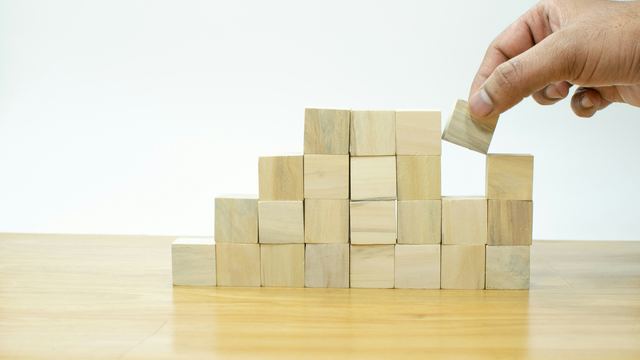
Volume counts unit cubes the way area counts unit squares. Thinking of it as stacked layers makes the...
Science
 Fifth grade · Science
Animal growth and reproduction
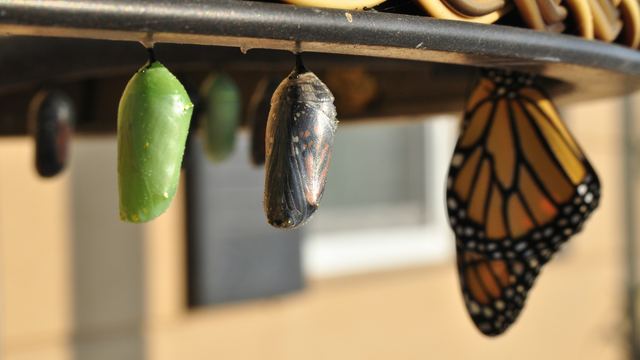
Life cycles differ enormously, but every one is a way of getting from one generation to the next with...
 Fifth grade · Science
Astronomy: the earth, moon and sun
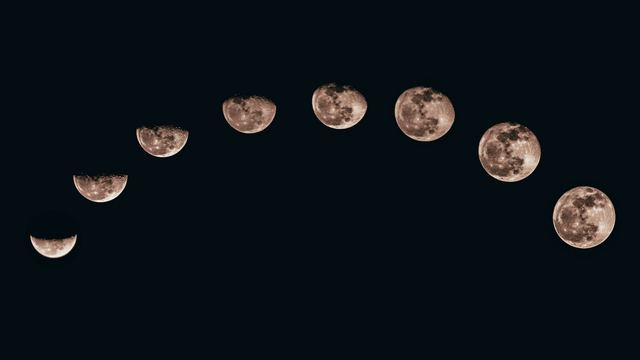
Rotation gives day and night. Tilt gives the seasons. Almost every mistake in this topic comes from...
 Fifth grade · Science
Climate
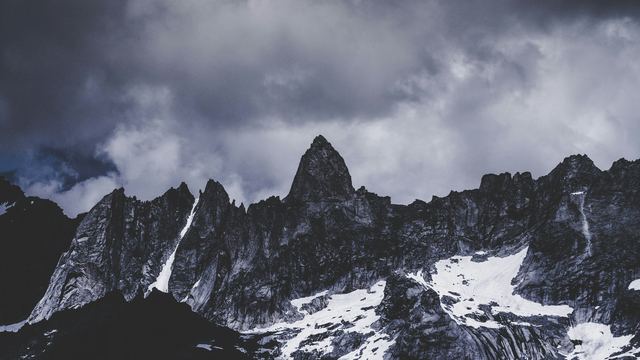
Climate is the long-run pattern, not today's sky. Latitude, altitude, distance from the sea and ocean...
 Fifth grade · Science
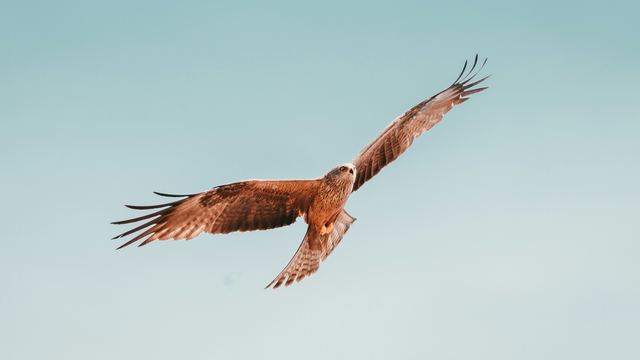
Energy flow through an ecosystem
Energy enters as sunlight and leaves as heat. Most of it is lost at every step, which is why food...
 Fifth grade · Science
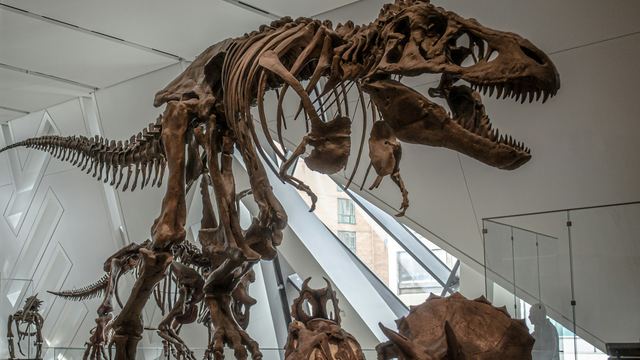
Extinction
A species is extinct when its last member dies. Most species that have ever lived are extinct, and the...
 Fifth grade · Science
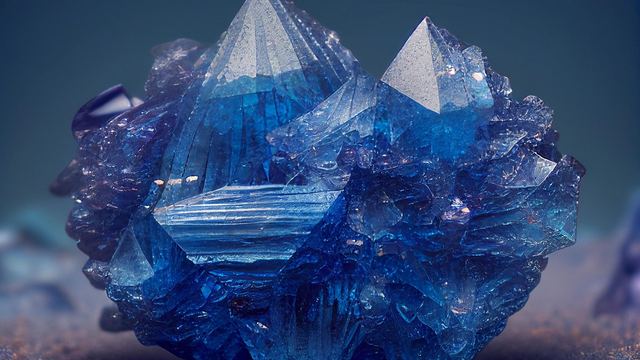
Minerals, rocks and soil
Minerals are the ingredients and rocks are the mixture. The three rock types are defined by how they...
 Fifth grade · Science
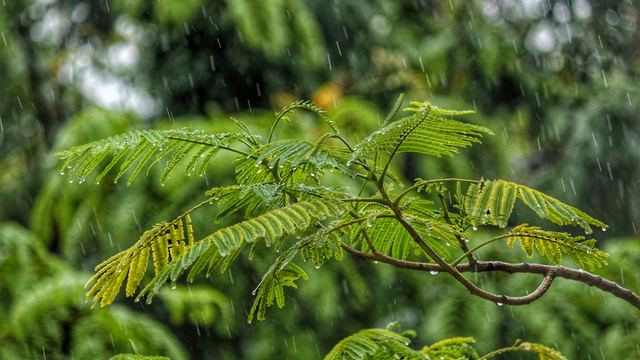
Natural cycles
Matter cycles and gets reused. Energy flows through once and leaves. Keeping those two straight...
 Fifth grade · Science
Organisms in an ecosystem
Every organism in an ecosystem has a role and an address. The role is its niche, the address is its...
 Fifth grade · Science
The earth's crust and landforms
Two opposing processes shape every landscape. Plate movement builds land up, and weathering and erosion...
 Fifth grade · Science
Weather: air masses, fronts and instruments
Weather is what the atmosphere is doing now. Almost all of it starts with the same fact: the sun does...
Other grades
Methods do not stop at a grade boundary. A fourth grade class often revisits a third grade subtraction page, and a sixth grade class still uses the multiplication pages.